How to Become a Chauffeur in London
27 November 2026



Knowing how to maintain a clean and professional vehicle as a chauffeur is one of the quiet skills that separates a good journey from a memorable one. Clients rarely comment on a spotless cabin, but they always notice when something is out of place.
At Herts Exec, we treat vehicle cleanliness as part of the service itself, not a chore squeezed in between bookings. It shapes first impressions, passenger comfort and the trust that brings clients back.
This guide sets out a practical system you can follow: daily, weekly and monthly routines, material-specific interior care, exterior habits for UK conditions and the finishing touches executive passengers remember.
A chauffeur is selling calm, reliability and attention to detail. The vehicle is the most visible proof of all three, so its condition speaks before you do.
Executive clients often judge standards within seconds of arrival. They see the paintwork, the wheels and the glass as you pull up, then the boot when you load their luggage and the rear seats as the door opens.
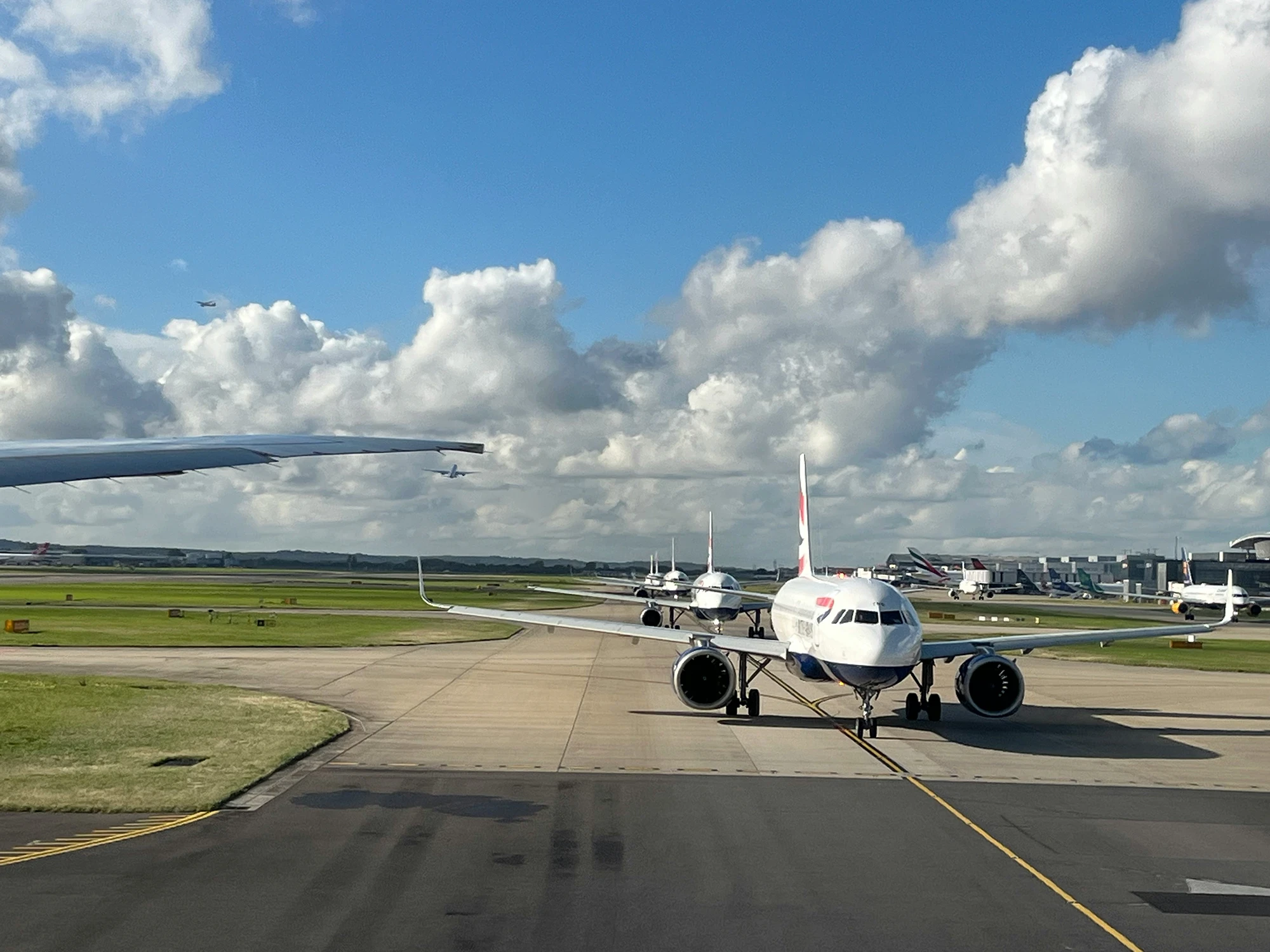
Expectations run especially high on airport runs and business travel across London, Heathrow, Gatwick, Luton, Stansted, Birmingham and London City, where passengers may be tired, pressed for time or heading into important meetings.
Cleanliness is not only cosmetic. Official vehicle maintenance guidance notes that lights, indicators, reflectors and number plates must be kept clean and clear, and that windows must be free from obstructions to vision. A clean vehicle is a safer, more visible one.
The most reliable standards come from routine rather than memory. A written checklist or a quick photo log keeps owner-drivers and whole fleets working to the same level.
Start every shift with a walk-around inspection:
The P.O.W.D.E.R checks recommended by fire and rescue services are a useful framework for the safety side of this routine.
Between rides, aim for a fast, consistent reset. Remove rubbish, wipe high-touch surfaces, check the rear glass for fingerprints and look under the seats for forgotten items.
Real life brings wet umbrellas, muddy shoes, pet hair, child-seat marks and the occasional coffee spill. Keep spare mats and absorbent towels ready, and deal with stains immediately before they set.
At the end of each shift, vacuum thoroughly, empty door pockets, dry damp mats and restock amenities. Weekly, carry out a deeper interior clean and a full exterior wash. Monthly, or sooner for high-mileage vehicles, book professional car valeting to handle deep cleaning and protection.
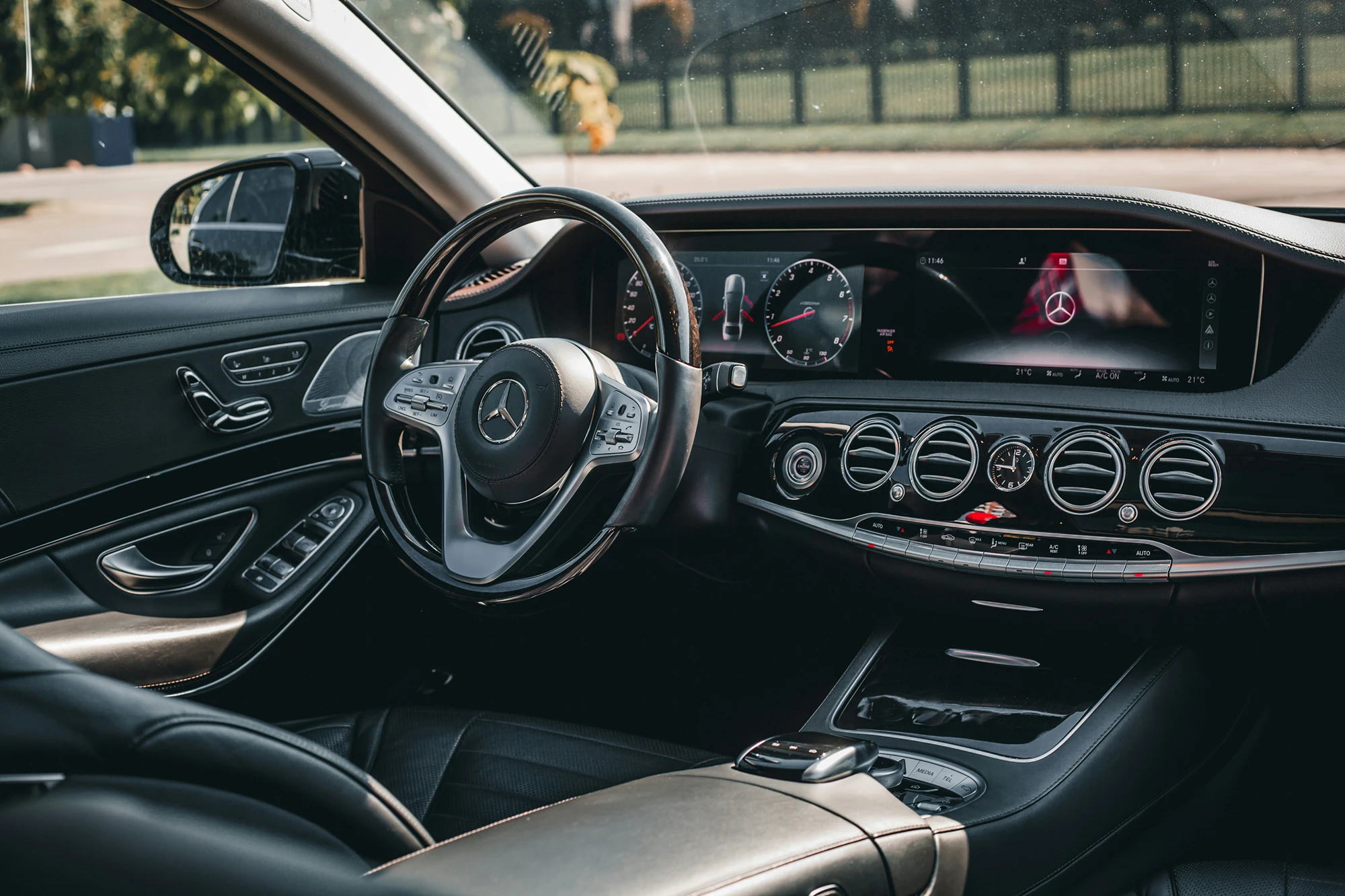
The cabin is where clients spend their time, so interior car cleaning deserves the most care. Passengers used to Mercedes S-Class chauffeur travel expectations will notice a smeared screen or dusty vent immediately.
If you are wondering how to clean car interior surfaces without leaving a greasy finish, the answer is the right product used sparingly. Spray onto microfibre cloths rather than directly onto trim, then buff dry.
Prioritise the high-touch surfaces:
Sanitising these points between rides supports cabin hygiene and reassures passengers without any fuss.
Each material needs its own approach. For leather, use a leather-safe cleaner and a suitable conditioner, test on a hidden area first and avoid harsh multi-surface chemicals that can dry or discolour the hide.
Fabric seats benefit from regular vacuuming and a dedicated upholstery cleaner for marks. Carpets and mats need brushing to lift grit before vacuuming. Finish with a lint roller, smooth any seat creases and make sure storage pockets look neat. That level of car interior detailing is what clients sense, even if they cannot name it.
A neutral cabin is the professional standard. Strong air fresheners can trouble passengers with sensitive noses, and NHS patient guidance on persistent rhinitis highlights that symptoms can have both allergic and non-allergic causes.
Instead, rely on odour control through good ventilation, prompt rubbish removal and careful moisture management, especially after wet umbrellas and coats.
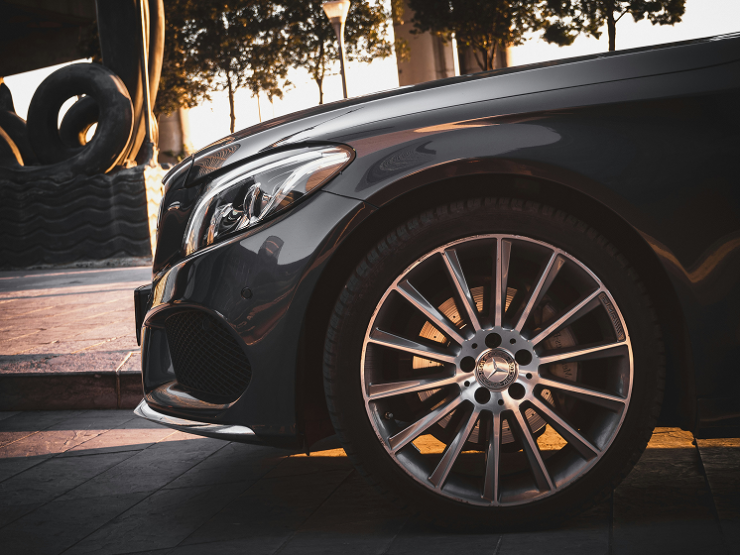
The exterior is your opening line. Our executive vehicles used for premium chauffeur travel are presented to the same standard on every booking, because a dull finish undermines everything else.
Wash using a two-bucket method and soft mitts, then dry with clean microfibre towels to avoid water spots. Aim for streak-free windows inside and out.
Do not overlook the details: a dedicated wheel cleaner for brake dust, a light tyre dressing, door shuts, handles, trim and the area around the boot opening, which clients see when luggage goes in.
UK weather keeps chauffeurs busy. Rain and mud call for more frequent washes and spare mats. In autumn and spring, remove tree sap and pollen quickly before it marks the paintwork.
Winter brings road salt, so rinse the underbody and wheel arches regularly. Local authority winter driving advice also recommends cleaning your windscreen and topping up winter screen wash before setting off.
Handle routine work in-house, but book professional car cleaning or luxury car detailing for paintwork inspection, correction and deeper restoration.
A compact, well-organised kit lets you fix problems in minutes without cluttering the vehicle.
Your on-board kit should include:
Practical extras such as boot liners and umbrella sleeves prevent mess in the first place.
Keep stronger chemicals, wheel cleaners and polishes at base rather than in the car. Any products you do carry should be sealed and stored away from luggage and passenger items. Keep charging cables, bottled water and cabin amenities completely separate from cleaning supplies.
Executive car care goes beyond cleaning. It is about the whole experience feeling considered.
A spotless car loses its effect if the driver looks careless. A smart suit, polished shoes and fresh breath are part of the same standard, and they sit alongside the wider skills that set an excellent chauffeur apart.
Before each pickup, set a comfortable temperature, check chargers and WiFi work, tidy literature pockets and present bottled water neatly. In our executive fleet, a complimentary bottle of water and umbrella are standard. Keep the boot organised and handle luggage with care, and favour discretion and consistency over over-personalisation.
How often should a chauffeur deep clean their vehicle?
Carry out light cleaning daily and quick resets between rides. A deeper interior and exterior clean should happen weekly, with professional detailing monthly or sooner if mileage, weather or passenger use is heavy.
What should be cleaned between back-to-back bookings?
Remove rubbish, wipe seats and touchpoints, check glass for streaks and inspect the mats. Do a quick odour check, reset amenities such as water and chargers, and make sure the boot is tidy for the next client.
Which products are safe for leather chauffeur interiors?
Use pH-appropriate, leather-safe cleaners and conditioners applied with soft microfibre cloths. Patch test any new product on a hidden area first, and avoid harsh multi-surface chemicals, which can dry out or discolour leather over time.
How can chauffeurs keep the cabin smelling fresh without strong air fresheners?
Ventilate the cabin regularly, remove waste straight away and dry damp mats, umbrellas and coats. Clean spills promptly so smells never develop. A neutral scent suits corporate and VIP clients far better than strong fragrance.
What should be included in a chauffeur cleaning kit?
Pack microfibre cloths, glass cleaner, interior wipes, a portable vacuum, lint roller, bin bags, gloves and a sealed spill kit. Store everything securely and keep it apart from client luggage, refreshments and cabin amenities.
How do weather and seasons change vehicle cleaning routines?
Rain and mud mean extra mats, towels and more frequent washes. Winter salt calls for underbody rinsing, pollen and sap need prompt removal in spring, and summer heat makes ventilation and quick spill clean-up more important.
Consistent vehicle cleanliness supports comfort, builds trust and delivers the executive presentation clients expect on every journey, whether it is a short business trip or an early airport transfer.
If you would like to travel with chauffeurs who live by these standards, explore our executive chauffeur driven hire services for premium chauffeur travel and executive airport transfers. To enquire about bookings or business travel support, call us on +44 1707 888000 or visit our Contact Us page, where you will find our current email address.